Online Joint Replacement Class
Learn what to expect before, during, and after surgery.

Board-Certified Orthopedic Surgeon
Adult Reconstruction, Hip and Knee Replacements


Cavities and gum disease, as well as dental procedures and routine dental cleanings themselves, may increase your risk of an infection in your new hip or knee. Infections with hip and knee replacements in place are a serious issue that often require additional major surgery.
Avoid routine dental cleanings and procedures for 6 weeks before and 3 months after your joint replacement.
Important: If you have any cavities or outstanding dental work (besides routine dental cleanings), those should be treated by your dentist at least 6 weeks before surgery.
Once you are cleared by your surgeon to go back to the dentist after your joint replacement surgery, you will be prescribed an antibiotic to take before dental procedures for 2 years after surgery.

Staying healthy in the month before surgery is important as infections like UTIs, respiratory infections (e.g. cold, flu), and skin infections can increase your risk of complications. If you develop any signs of infection, please contact our office immediately.

Smoking and marijuana use can significantly increase your risk of infection and other complications after surgery. You should stop for at least 6 weeks before and 6 weeks after surgery.

Physical therapy (PT) is a very important part of your rehabilitation process after surgery, but PT clinics often have long wait lists. To prevent any delays in your recovery, our surgical scheduling team will place a PT referral before surgery. Please contact your preferred PT provider immediately to schedule your first visit for about 5 days after surgery.

If you are still working and plan to apply for Short Term Disability, please notify your Manager or Human Resource Department once you know your date for surgery and forward any necessary forms to our office for completion.
Most patients will need up to 3 months off of work to recover, but your specific job duties will also determine when you can return to work.

It's a good idea to have someone stay with you for the first week or so after surgery to help with things like grocery shopping, preparing meals, getting to and from the bathroom, showering, picking things up off the floor, and making sure you don't fall.

Preparing your home before surgery will make your recovery safer and more comfortable. Here are some important steps to take:
The following equipment will be needed for your recovery after surgery and is typically covered by most insurance policies. Our surgical scheduling team will submit a referral and help coordinate with you to ensure you have everything you need before surgery.
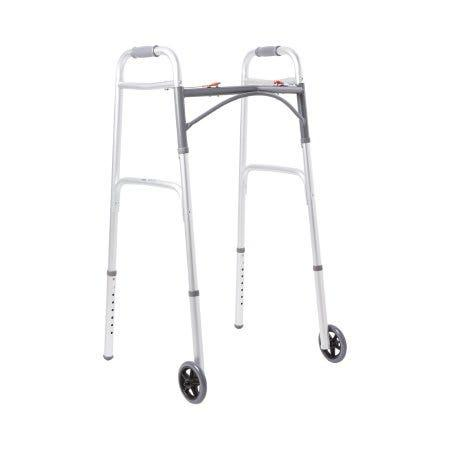
NOT a four-wheel walker. A front-wheel walker provides better stability and control during recovery.
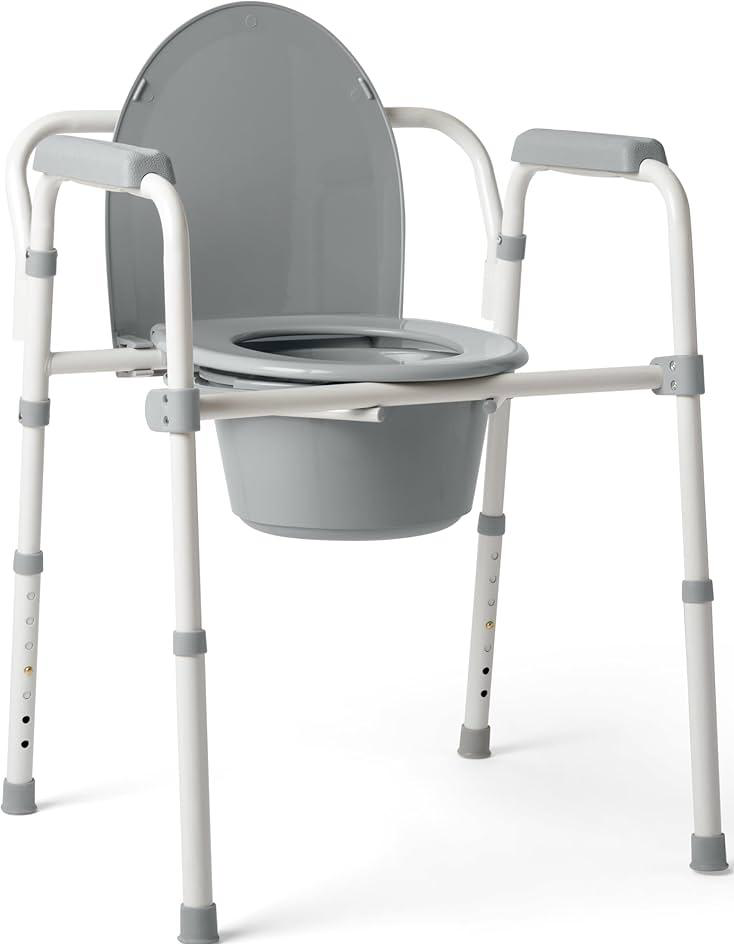
This versatile piece of equipment can be used as a raised toilet seat, a standalone bedside commode, or a safety frame around your existing toilet. It helps you avoid bending your hip or knee too much during the early recovery period.
Can be helpful but may not be covered by insurance:

If you anticipate needing accessible parking during your recovery, we can provide the necessary paperwork for a temporary disabled parking placard upon request for a maximum of 6 months after surgery.